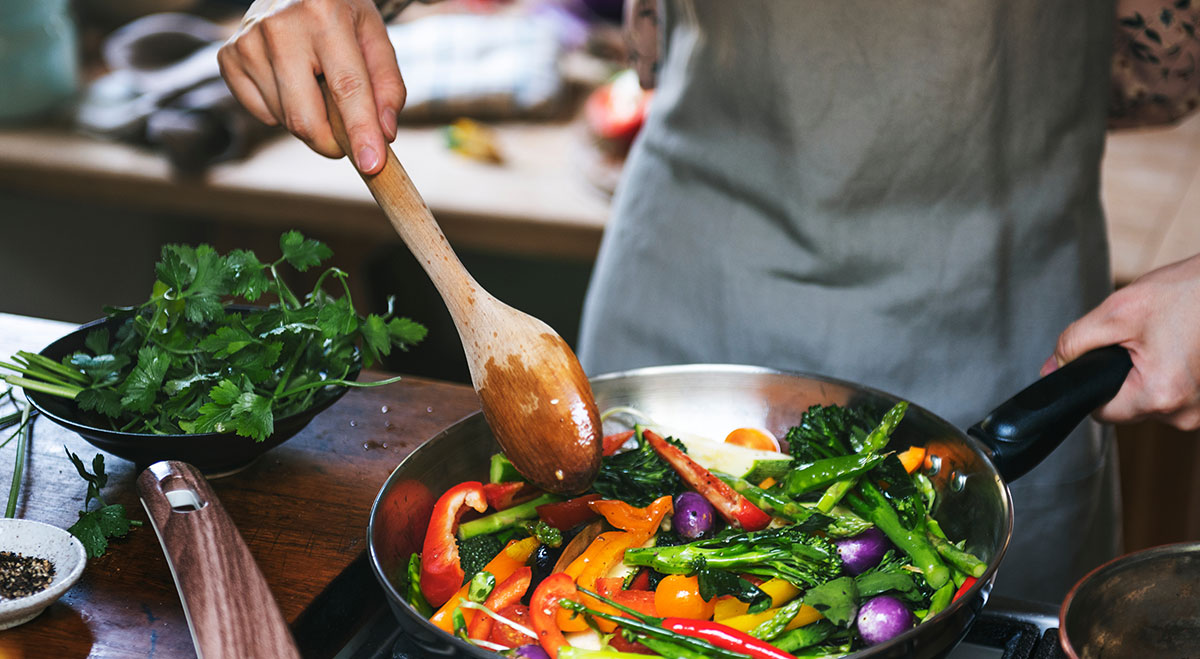
Cooking has always been more than a hobby for me—it is a form of expression, a creative outlet, and a way to connect with the world. What I’ve learned in the kitchen goes far beyond recipes and ingredients. It has taught me lessons about intuition, problem-solving, and trust that carry over directly into life and work.
Cooking Without Recipes
One of the things I love most about cooking is that I rarely rely on recipes. I can taste a dish once and then recreate it at home from memory, using intuition rather than strict instructions. This approach isn’t about recklessness—it’s about observation, experimentation, and trusting my instincts. I’ve learned to read flavors, textures, and aromas, and to adjust as I go.
Cooking without a recipe mirrors many aspects of life and work. We don’t always have a step-by-step guide for the challenges we face. Whether it’s leading a team, navigating change, or solving a complex problem, success often comes from trusting your judgment, learning as you go, and being willing to adapt when circumstances shift.
Lessons in Creativity and Flexibility
Cooking without a recipe encourages creativity. I experiment with combinations of flavors and textures, blending ingredients in ways that surprise even me. Sometimes it works perfectly, and other times it teaches me a lesson about balance, patience, or timing.
This mindset applies directly to work and life. In professional settings, the ability to think creatively and adapt to unexpected situations is invaluable. Rigid adherence to a plan can limit innovation, whereas flexibility and experimentation often lead to better solutions. Learning to embrace uncertainty, adjust as needed, and approach challenges with curiosity makes us more effective problem-solvers.
Observation and Listening
Cooking without instructions requires careful observation. I pay attention to how ingredients behave, how flavors develop, and how heat affects texture. I listen to the sounds of a sizzling pan, watch how liquids reduce, and adjust based on what I see and smell.
In life and work, observation is just as important. Leaders who pay attention to the subtle cues from their teams, clients, or colleagues are better equipped to make informed decisions. Listening—truly listening—allows us to understand needs, anticipate challenges, and respond in ways that support others and achieve goals. Intuition is often informed by careful observation, and the kitchen is the perfect training ground for honing this skill.
Embracing Risk and Learning from Mistakes
Cooking without a recipe inherently involves risk. There are times when a dish doesn’t turn out as expected, or an experiment fails. In those moments, I’ve learned that mistakes are not setbacks—they are opportunities to learn. I analyze what went wrong, adjust my approach, and try again with new insight.
This lesson translates directly to life and work. Taking calculated risks, embracing failure as part of growth, and being willing to iterate are essential to personal and professional development. The most successful people aren’t those who never fail—they are those who learn from every experience and use it to improve.
Trusting Yourself and Your Team
Cooking intuitively also teaches the value of trust. I trust my instincts in the kitchen, but I also rely on the feedback of those I share my meals with. Sharing food is a form of connection, and it reminds me that even when we lead or create, collaboration and feedback are key.
In a professional setting, trust works the same way. Leaders must trust their own judgment while also empowering their teams and valuing their perspectives. Effective collaboration relies on a balance of self-confidence and openness, intuition and input. Cooking reminds me that both are essential to achieving the best results.
Patience and Timing
There is an art to knowing when to act in the kitchen. Ingredients need time to develop, sauces need to reduce, and temperatures must be just right. Patience is as important as skill, and timing often makes the difference between a good dish and a great one.
Life and work require the same kind of patience and timing. Decisions made too quickly or without thought can have consequences, while careful observation, preparation, and patience lead to better outcomes. Cooking teaches that rushing rarely produces excellence, but thoughtful, intentional action does.
Connection and Storytelling
Cooking is also about connection. Sharing a meal with friends, family, or colleagues is an act of communication, storytelling, and care. Every dish has a story—how it was inspired, how it was made, and who it was shared with. This lesson reminds me that the work we do, the leadership we provide, and the decisions we make are all part of a broader story that impacts others.
In business and life, creating experiences and connections matters just as much as achieving outcomes. Leadership, like cooking, is about fostering relationships, inspiring others, and creating moments that resonate beyond immediate results.
Conclusion
Intuition over instruction is a lesson that transcends the kitchen. Cooking without a recipe has taught me creativity, adaptability, observation, patience, and the value of trusting myself while valuing others. These are the same skills that drive success in life, in leadership, and in the workplace.
By approaching challenges with curiosity, confidence, and empathy, we can navigate uncertainty, inspire our teams, and achieve results that matter. Just as every dish has its own flavor and story, every decision and interaction is an opportunity to create impact, connection, and growth.
Cooking without instructions has taught me that life, like food, is best approached with intention, flexibility, and trust. When we embrace our instincts and combine them with observation, empathy, and learning, we create experiences—and results—that are greater than the sum of their parts.